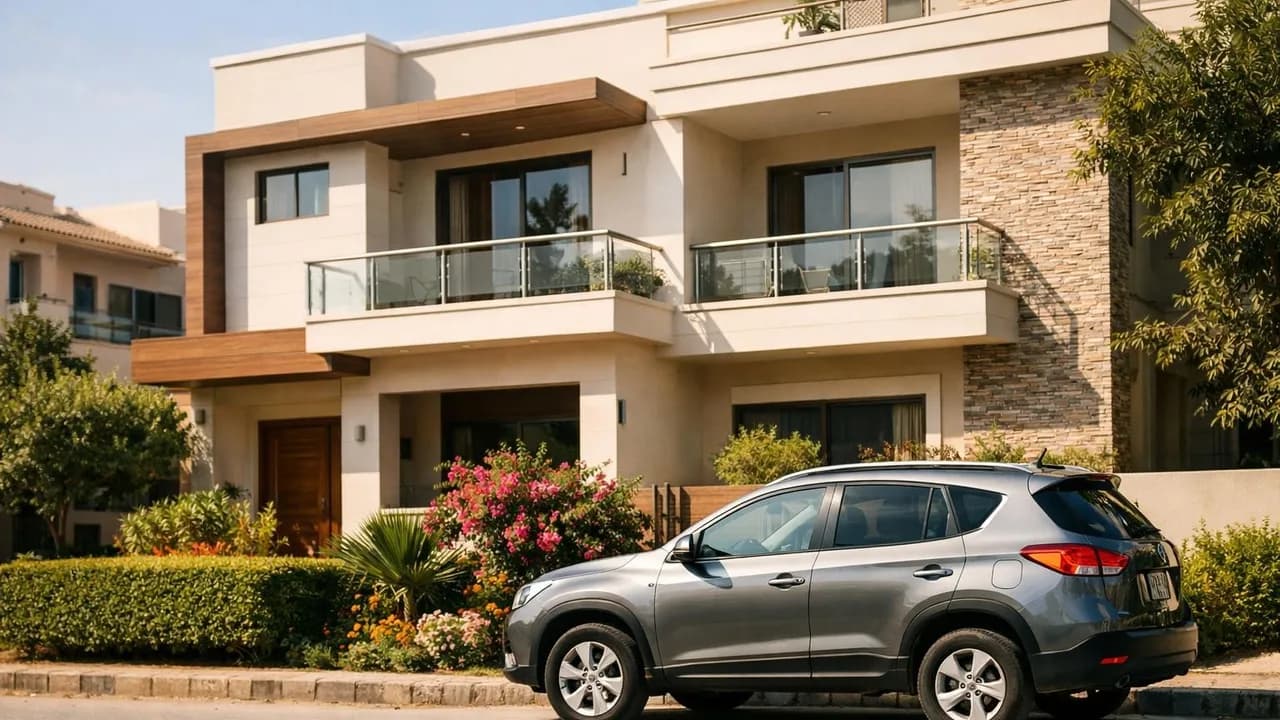
Rooftop solar has become the single most common large purchase in urban Pakistan after property and cars, driven by electricity tariffs that turned generation into self-defence. A system that erases most of a household's grid bill pays for itself in a handful of years, which makes solar one of the rare purchases where financing can be genuinely rational rather than consumption smoothing. Islamic banks noticed: most large Islamic banks and windows now run dedicated solar financing products, and the structures underneath are the familiar halal machinery of Murabaha and Diminishing Musharakah applied to panels and inverters.
Ready to compare halal options?
How the Islamic structures work for solar
The dominant structure is Murabaha: the bank purchases your specified system, panels, inverter, batteries, installation, from an approved vendor and resells it to you at a disclosed markup, payable in fixed monthly instalments over a few years. Because the bank buys a real asset and the markup is fixed at signing, the contract sidesteps interest entirely. Some banks structure larger systems under Diminishing Musharakah, co-owning the equipment while you buy out their share, the same mechanics as Islamic home financing. Either way, insist on the total amount payable in rupees and the reducing-rate equivalent so offers can be compared honestly across banks, and ask about early settlement rebates if you expect to prepay.
Eligibility typically follows the bank's consumer financing rules: salaried or self-employed income documentation, and often a requirement that the vendor be on the bank's approved installer list. That list is quietly valuable, because it screens out the fly-by-night installers who have flooded the market.
Run the payback math before the financing math
Solar economics in Pakistan hinge on three numbers: what your system costs installed, what your current monthly bill is, and how policy treats the surplus you export. Net metering rules and buyback rates have shifted repeatedly and remain politically live, so build your payback estimate primarily on self-consumption, the grid units you stop buying, and treat export credits as a bonus rather than the base case. A system sized to your daytime usage with modest export assumptions that still pays back within its financing tenor is a sound purchase. A system whose case only works at yesterday's buyback rates is a bet on policy, and you are the one holding it for twenty-five years.
Financing changes the math less than people expect: the markup adds to cost, but if instalments roughly track the bill savings, you are converting an electricity expense into asset ownership on a fixed schedule. That is the honest case for financing solar rather than waiting years to save the lump sum while paying full tariffs the whole time.
The dealer instalment trap
Installers increasingly offer their own instalment plans, and these deserve real scrutiny. Some are legitimate deferred-price sales, a fixed higher credit price stated upfront, which classical fiqh permits. Many are financed behind the scenes by conventional lenders or carry accruing late penalties, undisclosed effective rates, and markups far above what a bank Murabaha would charge for the same system. Ask three questions: who actually finances this plan, what is the total I will pay versus the cash price, and what happens if I pay late. If the answers are vague, or the late terms accrue like interest, walk away. A transparent Islamic personal financing facility or a bank solar product will nearly always beat an opaque dealer plan.
A checklist before you sign
Get quotes from at least two approved installers and two banks. Verify the installer's track record and the equipment warranties in writing, panels, inverter and batteries carry very different lifespans. Confirm the financing structure by name, Murabaha or Diminishing Musharakah, the total payable, the tenor, early settlement treatment, and takaful coverage on the equipment during the financing. Size the system to your actual daytime load rather than the installer's enthusiasm. And keep the paperwork: solar meaningfully changes a property's running costs, which matters when you eventually sell. Financed carefully, solar is that rare thing, a halal instalment that makes you richer every month it runs.
Frequently asked questions
Which banks offer Islamic solar financing in Pakistan?
Most full-fledged Islamic banks and major Islamic windows run consumer solar products, and several conventional banks route solar through their Islamic arms. Product names, tenors and vendor lists change frequently, so compare current offerings from two or three banks directly, and check our Islamic banking guide for how to evaluate the institutions themselves.
Is financing solar better than saving up?
If instalments roughly match your bill savings, financing lets the system pay for itself while you own it from day one, instead of paying full tariffs for years while saving. If the numbers only work with aggressive export assumptions, save first and buy a smaller system outright. The discipline is in the payback math, not the financing.
Are dealer instalment plans halal?
A genuine deferred-price sale, one fixed credit price disclosed upfront with no accruing penalties, is permissible. Plans financed by conventional lenders behind the scenes, or with late charges that grow over time, are not. Demand to know who finances the plan and the total payable before treating it as an option.
Does solar financing require property ownership?
Banks generally finance systems installed on property you own or your family owns, since the equipment attaches to the roof. Tenants need the owner's involvement. The financing itself is consumer asset finance rather than a mortgage, so your home is not typically collateral; the documentation burden is closer to car financing.
Compare providers in your state
See side-by-side comparisons of Shariah-compliant products, or let our matcher recommend the best options for your situation.
Should batteries be included in the financed system?
Batteries add resilience against load shedding but carry shorter lifespans than panels and may need replacement within the financing tenor. If outages are your main problem, include them with eyes open about replacement cost. If bill reduction is the goal, a grid-tied system without batteries pays back faster.